Agents now act.
They call tools, write to systems, and move data. Their credentials can reach further than the task requires.
I assess agent and MCP deployments for permission risk, data exposure, and missing oversight, then help you fix what matters first.
Human-led. Evidence-based. Fixed scope.
Map the effective identity and each tool’s allowed operations, then test the boundary.
The question is what the
whole workflow can do.
They call tools, write to systems, and move data. Their credentials can reach further than the task requires.
Every connected server adds tools, scopes, and data paths. Those boundaries need a deliberate review.
A clean infrastructure scan doesn’t establish that an agent’s actions are authorized or that a person approved the change.
Assessment methods.
Engineering you can inspect.
Map agents, servers, tools, identities, and data paths.
Discovery methodInspect behavior and traces across AI pipelines.
TraceLogicAIConnect sensitive data, write access, and missing oversight.
Scorecard methodNarrow identity and check the delivery path.
Aegis + AuditTrail SDK Temporary identity evidenceConnect detection, controlled response, and evidence.
Project SentinelProjects and simulations behind the practice. Each record includes its evidence and limits.
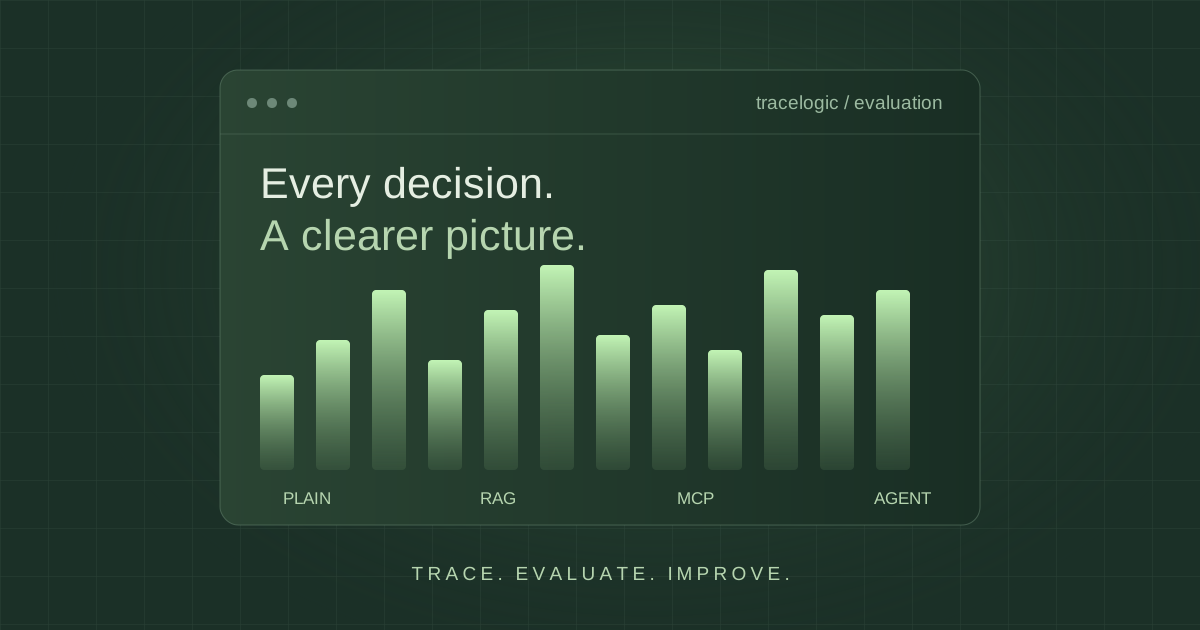
Making AI behavior visible. Evaluation, trace evidence, and runtime assurance across AI pipelines.
OUTCOMECompare pipeline behavior, inspect execution evidence, and identify where AI workflows need stronger controls.
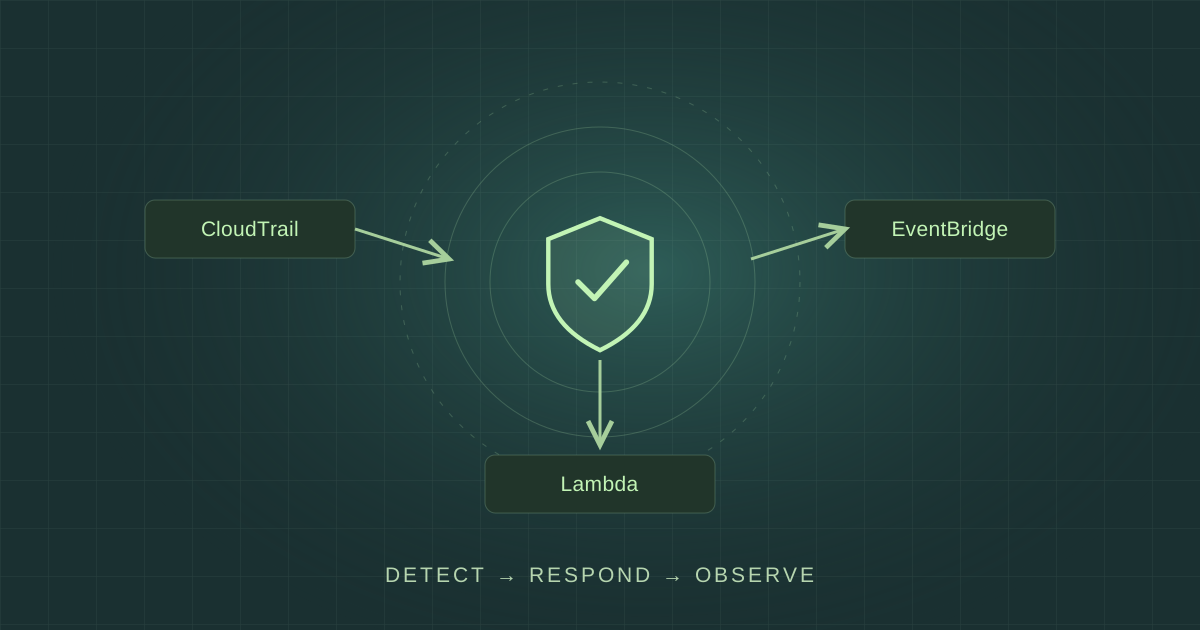
A connected security response system. Detect events, orchestrate remediation, and preserve the evidence.
OUTCOMEConnect cloud detection and controlled response with infrastructure governance and operational visibility.
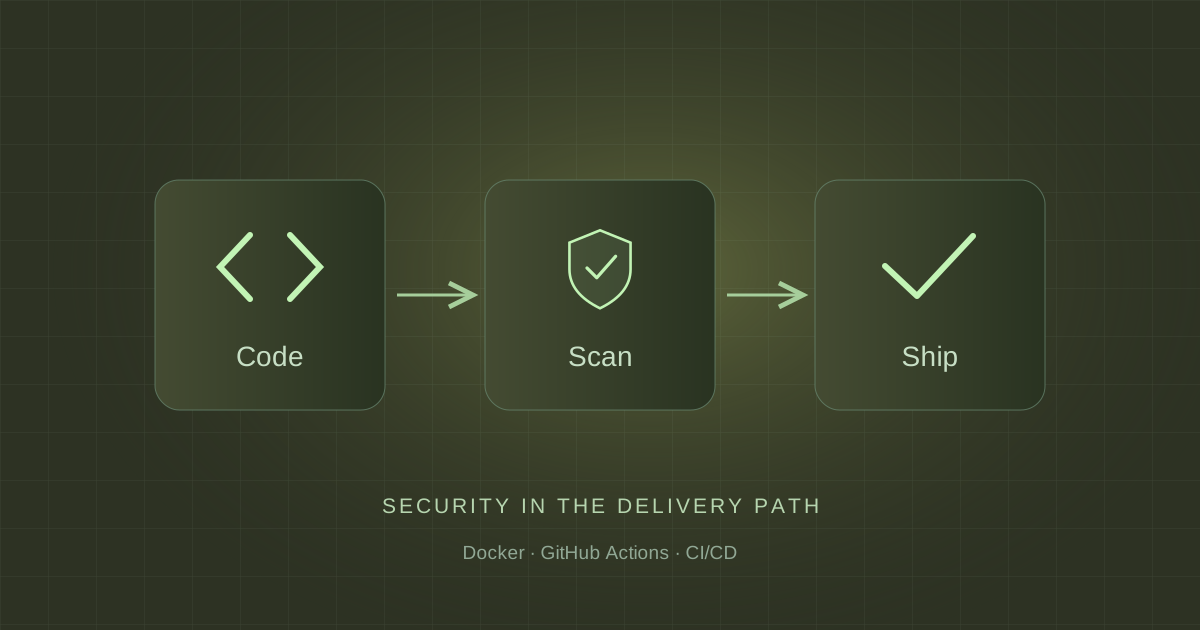
Security belongs in the delivery path. A Docker-based pipeline for a simulated fintech platform.
OUTCOMEMake security validation a repeatable part of changes moving from pull request to staging.
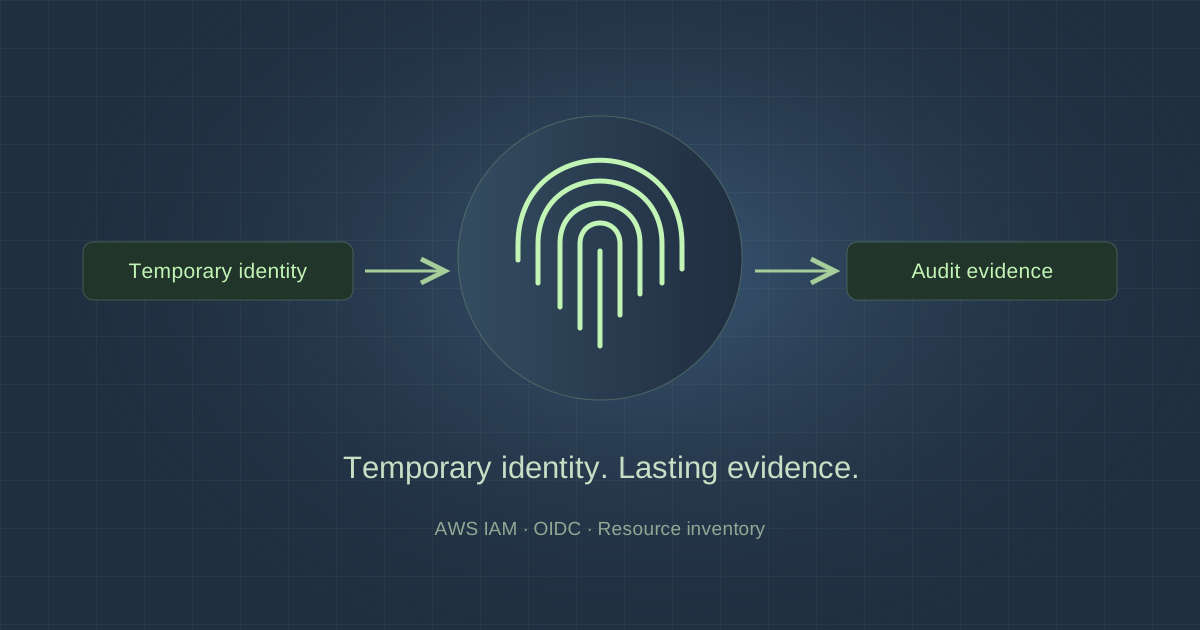
Cloud compliance without static keys. Resource inventory and structured AWS audit evidence.
OUTCOMEInspect AWS resources with temporary credentials and preserve structured evidence for review.
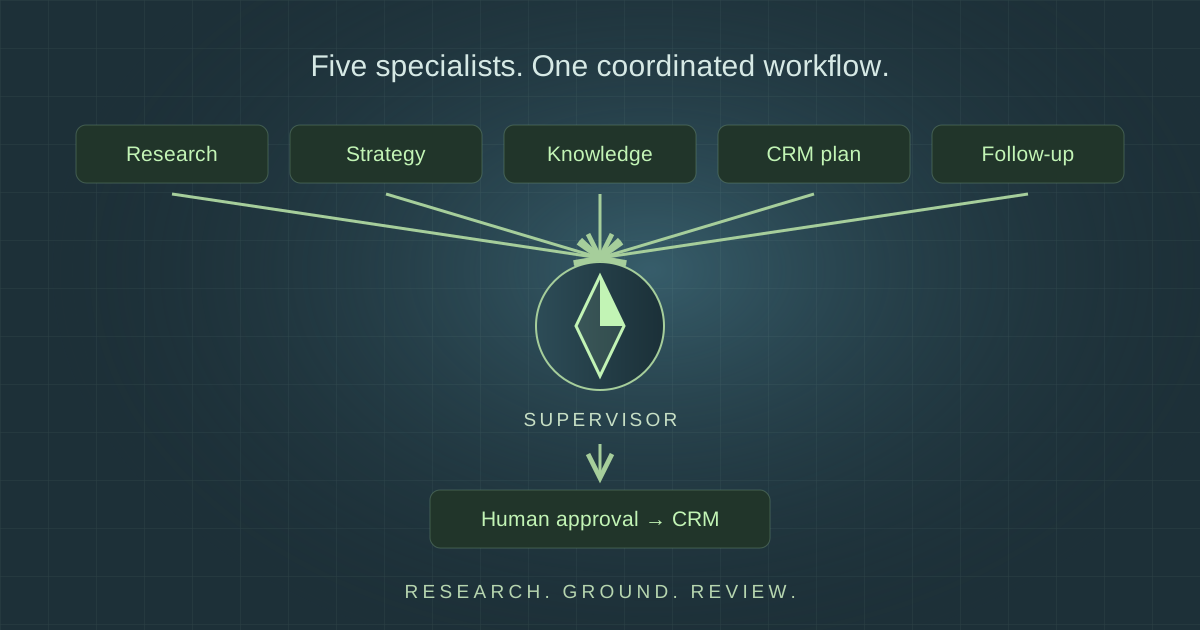
A coordinated sales workflow for B2B teams. Specialist AI agents research accounts, ground answers, and prepare CRM actions for human approval.
OUTCOMEConnect account research, opportunity strategy, and follow-up in a sales workflow with human review before CRM changes.
Technologies in my engineering practice.
Understand what your agents can reach, what they can change, and where oversight needs to hold.
Give requests a clear owner. Pilot one bounded workflow for intake, routing, and follow-up.
Map the handoff gaps, test one workflow with approval boundaries, then review results against an agreed baseline.
Explore the workflow pilotA U.S. Army veteran and systems builder. My public engineering work connects evaluation, scoped identity, delivery checks, and controlled response.
The sample demonstrates the deliverable. Project records show engineering evidence and limitations.
Fictional example, not a client result. Unknown evidence is marked separately. No aggregate pass/fail score.
I’m Malik Dixon. I connect AI, cloud, and security to build systems that work for people. The work starts with the mission, the workflow, and the decisions a person needs to make.
As a U.S. Army veteran, I bring a systems mindset: understand the mission, build with intention, and verify the result.
Understand the people, friction, and outcome before choosing the tool.
Give systems clear permissions, observable behavior, and meaningful oversight.
Readable code. Useful documentation. Systems that are easier to maintain.
Possibly. Start by checking what your existing platform already covers. This assessment focuses on a bounded agent workflow: effective tool permissions, sensitive data paths, enforced approval, and execution evidence. It can complement continuous cloud monitoring. If your current team and tools already verify those controls, a separate assessment may add little.
Discovery starts with redacted architecture, tool manifests, permission policies, and representative traces. Prefer customer-provided exports, a screen share, or scoped read-only access. Any behavior testing uses an agreed test environment and explicit authorization. Production writes, credentials, and hardening are never assumed to be included.
The delivery window and price are agreed after a fit conversation, once the number of agents, servers, workflows, and test cases is clear. The fixed scope includes a five-dimension readiness scorecard, prioritized findings, a fix plan with owners and effort estimates, and an evidence pack. Missing evidence and untested areas are identified explicitly.
Hands-on hardening can be agreed as a separate phase. That may include narrowing tool permissions, binding approval to the exact proposed action, improving trace evidence, and exercising access revocation. Each change has an owner, acceptance checks, and agreed access before implementation.
Malik Dixon is an engineer, systems builder, and U.S. Army veteran working across AI systems, cloud security, DevSecOps, and full-stack development. He offers human-led AI agent and MCP security assessments and a focused inquiry-workflow pilot for small B2B service teams.
A clear scope. A practical fix plan. Evidence you can use.